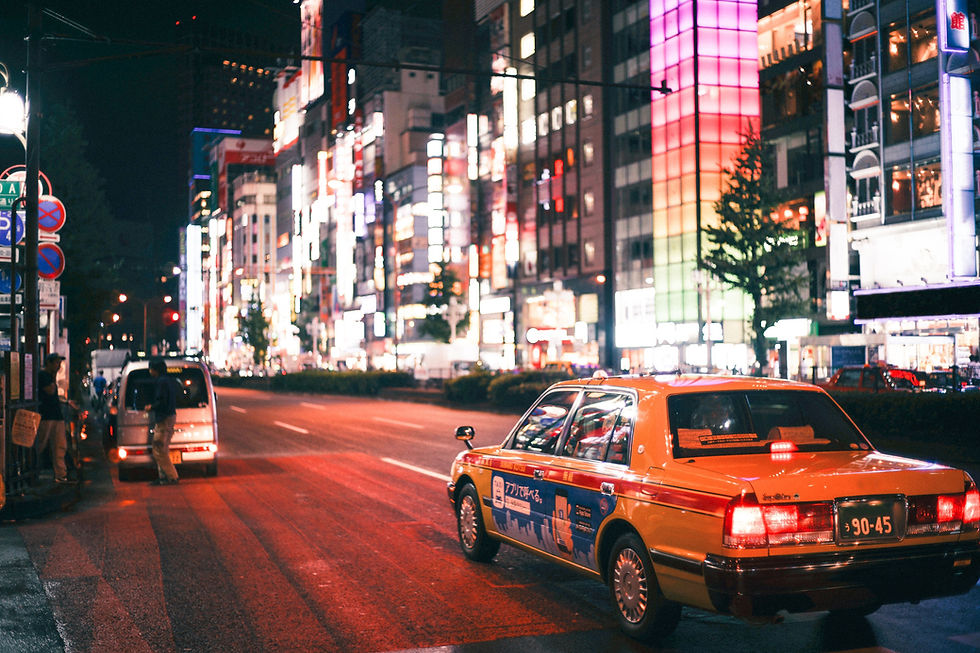
Discovering the Allure of Macau: A Journey Through Time and Culture
- Ralph

- Jan 16
- 4 min read
Updated: Mar 24

At first glance, Macau glitters. Neon-lit skylines, architectural marvels, and world-famous entertainment complexes define its modern image. Yet beyond the spectacle lies a city of remarkable depth — shaped by centuries of maritime trade, cultural exchange, and layered identities. Macau is not simply a destination; it is a meeting point of civilizations, where Eastern traditions and Western influences merge into something uniquely its own.
Perched on the southern coast of China and facing the Pearl River Delta, Macau is compact in size yet expansive in character. Within a short distance, visitors can encounter centuries-old temples, colonial plazas, tranquil gardens, and ultra-modern resorts — all coexisting in striking harmony.
A Legacy Forged by the Sea
Macau’s story began in the 16th century when Portuguese traders established a permanent settlement in 1557, making it the earliest and longest-lasting European presence in China. For centuries, Macau functioned as a vital maritime gateway linking China with Europe, Southeast Asia, India, and beyond.
This prolonged period of cultural contact shaped every aspect of life in the city. Chinese customs blended with Portuguese governance, Catholicism, architecture, and language. A distinct Macanese culture emerged — one defined not by division, but by synthesis.
In 1999, Macau returned to Chinese sovereignty under the “One Country, Two Systems” framework, preserving its legal system, currency, and administrative autonomy. Today, Macau stands as a living chronicle of global exchange — where history is not confined to museums but woven into everyday life.
The World’s Entertainment Capital
Often referred to as the “Las Vegas of Asia,” Macau is home to the world’s most lucrative gaming industry. Monumental resorts line the Cotai Strip, offering luxury accommodations, designer shopping, international dining, conventions, and large-scale entertainment under one roof.
Yet Macau’s appeal extends well beyond gaming. In recent years, the city has focused on diversifying its economy, investing in cultural tourism, creative industries, exhibitions, and family-oriented attractions. The result is a destination that balances spectacle with substance — vibrant by night and richly textured by day.
Where History Still Breathes
Away from the modern skyline lies Macau’s historic soul. The Historic Centre of Macau, recognized as a UNESCO World Heritage Site, preserves an extraordinary collection of streets, plazas, and buildings that reflect centuries of East–West interaction.
Walking through Senado Square, with its wave-patterned stone pavement and pastel neoclassical façades, feels like stepping into a European town transported to Asia. Nearby, the iconic Ruins of St. Paul’s rise dramatically above the old city — a symbolic reminder of Macau’s Jesuit and colonial past.
Other notable landmarks include:
A-Ma Temple, dedicated to the sea goddess Mazu and older than the city itself
Monte Fort, offering panoramic views and housing the Macao Museum
Moorish Barracks, a striking example of colonial military design
Lou Kau Mansion, blending traditional Chinese layout with Western ornamentation
St. Dominic’s Church, showcasing Iberian religious architecture
Together, these sites tell the story of a city shaped by coexistence rather than conquest.
A Culinary Crossroads — Designed by Nature
Macau’s culinary identity mirrors its multicultural past. While historically influenced by Portuguese and southern Chinese cuisines, the city today offers a growing array of vegetarian and plant-forward dishes, drawing inspiration from Buddhist traditions, Cantonese cooking, and Mediterranean flavors.
Some highlights include:
Vegetable minchi, reimagined with mushrooms, tofu, and diced potatoes seasoned with soy and herbs
Stir-fried seasonal greens, prepared simply with garlic and light sauces
Braised tofu, lotus root, and mushroom dishes, commonly found near temples and traditional eateries
Portuguese-style vegetable stews and soups, featuring tomatoes, onions, olive oil, and spices
Portuguese-inspired vegetarian tarts and pastries, flaky, lightly sweet, and enjoyed in cafés across the city
From neighborhood teahouses to upscale resort restaurants offering dedicated vegetarian menus, Macau caters thoughtfully to plant-based travelers while preserving its culinary heritage.
Beyond the City Lights
Macau’s quieter side reveals itself on the islands of Taipa and Coloane. Here, narrow lanes, colonial villas, seaside paths, and green hills provide a refreshing contrast to the urban core. Coloane Village, in particular, offers a slower rhythm of life — a place where local cafés, temples, and coastal walks invite reflection. This balance between calm and energy is one of Macau’s most enduring charms.
Embracing Wellness in Macau
When we think about personal growth and holistic living, Macau offers unique experiences that nurture the mind, body, and spirit. The serene gardens and tranquil temples provide perfect spots for meditation and reflection. Imagine taking a moment to breathe deeply, surrounded by nature, and feeling a sense of peace wash over you.
In addition to its cultural richness, Macau also boasts wellness retreats and spas that focus on rejuvenation. These spaces encourage us to pause and reconnect with ourselves, reminding us of the importance of self-care in our busy lives.
Why Macau Endures
Macau captivates because it refuses to be defined by a single narrative.
It is historic yet forward-looking
Chinese in foundation, global in expression
Intimate in scale, grand in ambition
By honoring its past while embracing innovation, Macau remains one of the world’s most distinctive urban experiences.
Macau is not merely a place to visit — it is a city to be understood, felt, and remembered. As we explore its depths, we discover not just a destination, but a journey toward personal growth and holistic living.